
Fire Alarm Inspections Los Angeles CA: How Often Are They Required?
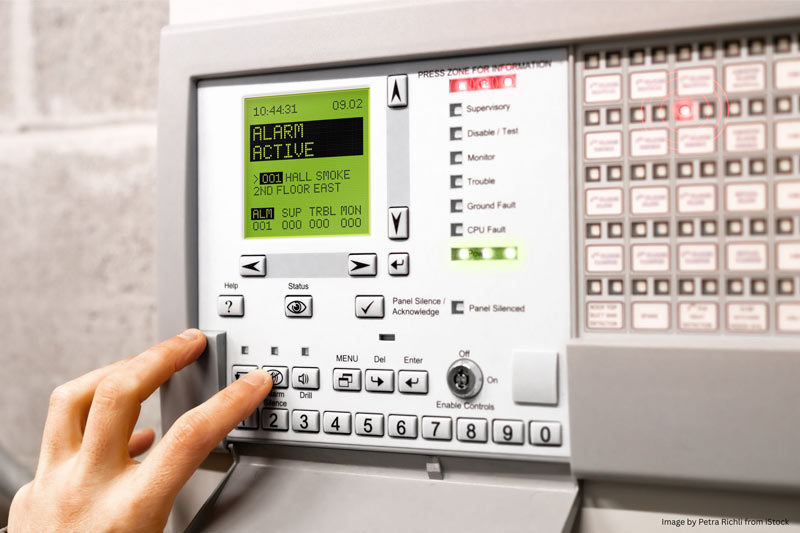
Commercial fire alarm inspections are an essential part of maintaining a reliable fire detection and alarm system. For commercial property owners, property managers, business owners, and facility managers, one common question is: How often are fire alarm inspections required?
The answer depends on the type of equipment installed. There is no single inspection interval that applies to every fire alarm system component. NFPA 72 establishes inspection and testing frequencies based on equipment type and system function, while the authority having jurisdiction (AHJ) enforces the applicable requirements.
For commercial properties in Los Angeles, LAFD Chief’s Regulation 4 lists annual testing for specified fire alarm/fire warning system categories. Other inspection, testing, and maintenance requirements may vary depending on the equipment installed and the applicable codes.
How Often Are Commercial Fire Alarm Inspections Required?
For commercial buildings in Los Angeles, LAFD Chief’s Regulation 4 lists a one-year testing frequency for basic fire warning systems, complex fire warning systems, and central station signaling systems.
This annual testing requirement provides a clear starting point for commercial property owners and facility managers. However, it does not mean every fire alarm inspection, maintenance task, or system component follows the same schedule. Additional inspection, testing, and maintenance requirements can depend on the type of fire alarm system, installed equipment, applicable codes, and requirements of the authority having jurisdiction (AHJ).
The Los Angeles Fire Department’s Chief’s Regulation 4 provides the local testing requirements and identifies the required testing frequency for these fire alarm system categories. Property managers should use those requirements alongside the inspection, testing, and maintenance provisions that apply to their specific system.
What Does a Commercial Fire Alarm Inspection Cover?
A fire alarm inspection looks for conditions that could prevent the system from operating as intended.
Commercial buildings change over time. Walls may be added or relocated during tenant improvements. Furniture, equipment, or stored materials can obstruct devices. Detectors and other system components may become dirty, damaged, or otherwise affected by environmental conditions.
Fire alarm inspections help identify these issues before they interfere with system performance. Inspection requirements address factors such as physical damage, device orientation, accessibility, cleanliness, environmental changes, obstructions, and building modifications.
While inspections evaluate the condition of the system, fire alarm testing confirms that it operates as intended. During testing, applicable initiating devices, notification appliances, signals, system functions, and system interfaces are verified according to the required procedures.
The distinction is straightforward: fire alarm inspections evaluate equipment condition, while testing verifies system operation. Both are essential parts of maintaining a reliable fire detection and alarm system.
Why Do Regular Fire Alarm Inspections Matter?
Regular inspections can uncover deficiencies that may not be obvious during normal building operations.
A fire alarm device can appear intact without operating correctly. Renovations may affect detector or notification appliance placement. New furniture, equipment, or storage can obstruct devices that were accessible during a previous inspection.
Routine inspection and testing help identify these issues before they become larger problems while creating documentation of any deficiencies that require corrective action.
Commercial properties in Los Angeles must also comply with local enforcement requirements. The Los Angeles Fire Department enforces applicable state and local fire codes, making it important for property managers to understand the inspection and testing requirements that apply to their specific building rather than relying on a generic annual schedule.
What Are the NFPA Fire Alarm Inspection Requirements?
NFPA 72 establishes inspection and testing schedules for fire alarm and signaling systems based on the equipment involved.
California’s fire code addresses the inspection, testing, and maintenance of fire alarm systems and references NFPA 72 for applicable testing schedules. Section 907.8 of the 2025 California Fire Code, Chapter 9, provides requirements for maintaining these systems and their inspection and testing records.
A commercial fire alarm system may include control equipment, initiating devices, notification appliances, supervising station equipment, interfaces, and other components. Inspection and testing requirements can differ significantly among those components.
Documentation is also an important part of the process. Records provide a service history, identify deficiencies, document corrective work, and help facility teams demonstrate compliance with applicable inspection and testing schedules.
Keeping accurate records also simplifies future inspections and provides valuable historical information about the system.
How Should Property Managers Prepare for Fire Alarm Inspections?
Start with previous records, unresolved deficiencies, and clear access to fire alarm equipment.
Before an inspection, review previous inspection and testing reports to identify any unresolved deficiencies. Make sure technicians have access to the control panel and any equipment that requires inspection or testing.
Recent changes to the property should also be documented. Tenant improvements, renovations, occupancy changes, and space reconfigurations can affect fire alarm device locations, accessibility, or overall system performance.
Any trouble conditions or suspected deficiencies identified between scheduled inspections should be evaluated promptly by qualified personnel rather than waiting for the next scheduled inspection.
Frequently Asked Questions
How often are commercial fire alarm inspections required?
LAFD Chief’s Regulation 4 lists a one-year testing frequency for basic fire warning systems, complex fire warning systems, and central station signaling systems. Additional fire alarm inspection, testing, and maintenance requirements can depend on the system, equipment, and applicable codes.
Is an annual fire alarm inspection enough?
Not always. Different fire alarm system components may require inspection or testing at different intervals. An annual inspection should not automatically be treated as the only required service.
What is the difference between fire alarm inspection and testing?
An inspection evaluates the condition of equipment and surrounding conditions that could affect system performance. Testing verifies that devices and system functions operate as required.
Can renovations affect a fire alarm system?
Yes. New walls, tenant improvements, occupancy changes, and other building modifications can affect device placement, accessibility, coverage, and system performance, making additional evaluation necessary.
Should fire alarm inspection records be kept?
Yes. Maintaining records helps document service history, deficiencies, corrective work, and previous testing while making future inspections easier to manage.
Summary: Keep Fire Alarm Inspections on Schedule
Fire alarm inspections are more than an annual item on a maintenance checklist. While many fire alarm system components follow annual inspection or testing schedules, other devices may require service at different intervals based on NFPA 72 and local code requirements.
Property owners and facility managers should maintain accurate records, address deficiencies promptly, and follow the schedule required for their specific system. A building-specific maintenance plan is far more effective than assuming every component follows the same annual timeline.
Routine inspections, testing, documentation, and corrective action help keep commercial fire alarm systems operating reliably and ready to respond when they’re needed most.