
Electrical Code Compliance in California: What LA County Property Owners Should Know
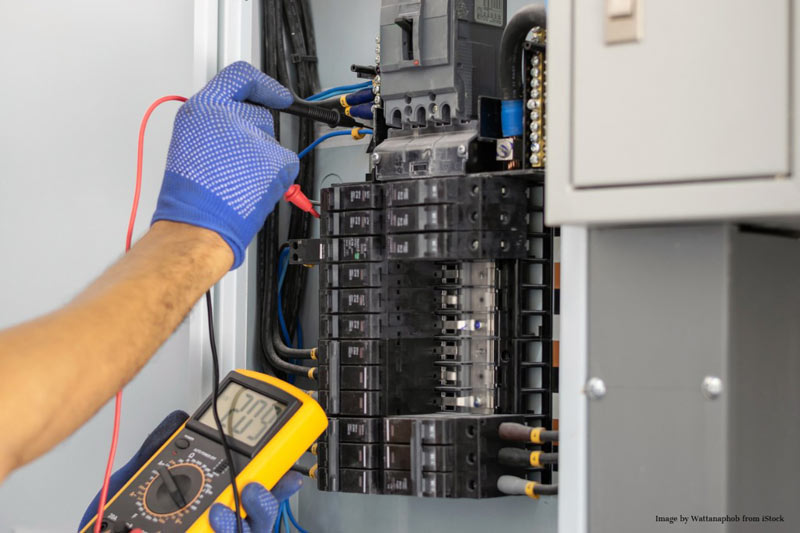
Electrical systems in California follow strict safety standards. Compliance is important for both residential and commercial properties in LA County. As technology advances and safety expectations rise, the state continues to update its electrical regulations.
Property owners who stay informed can avoid violations, reduce the risk of costly repairs, and keep their systems safe and legally compliant. Older buildings, renovations, and commercial property management all benefit from working with a licensed electrician. They can ensure your system meets current requirements.
Why Compliance Matters in California
California enforces the California Electrical Code (CEC), which is updated regularly to reflect modern safety practices and evolving technologies. Compliance ensures that electrical systems:
- Minimize fire risks
- Protect occupants from electrical shock
- Support modern energy demands
- Meet inspection and permitting requirements
In LA County, properties range from historic homes to modern commercial buildings. As a result, outdated electrical systems are common. Bringing these systems up to code helps identify and resolve safety issues before they become serious problems.
Failing to meet current standards can lead to failed inspections, insurance complications, and delays in renovations or property sales.
Recent Changes Affecting California Properties
Recent updates to California’s electrical code focus on safety and adaptability. Key changes include:
Arc Fault Circuit Interrupter (AFCI) Expansion
AFCI protection now applies to more areas in residential properties. These devices detect dangerous arc faults caused by damaged wiring or loose connections and shut down circuits before fires can start.
Ground Fault Circuit Interrupter (GFCI) Requirements
GFCI outlets are required in more locations, including kitchens, bathrooms, garages, and outdoor areas. These devices reduce the risk of electrical shock.
EV Charger Infrastructure
New construction and many renovation projects must now include provisions for electric vehicle charging. This reflects the rapid growth in EV usage across California.
Energy Efficiency and Load Management
Updated standards require electrical systems to safely support modern appliances while improving energy efficiency and load management.
A licensed electrician can evaluate your property and confirm that these requirements are properly implemented.
How Electrical Changes Impact Homeowners
For homeowners, code updates often affect common improvement projects, such as:
- Electrical panel upgrades
- Home additions
- Kitchen or bathroom remodels
- Installation of EV chargers or solar systems
During these projects, inspectors review all electrical work to ensure compliance with current standards.
Homes with outdated wiring or older panels may require upgrades before passing inspection. A residential electrician can identify issues early and recommend safe, code-compliant solutions.
Electrical Requirements for Commercial Buildings
Commercial properties must meet additional requirements due to higher electrical loads and public safety considerations.
A commercial electrician may evaluate:
- Electrical panel capacity
- Emergency lighting systems
- Grounding and bonding
- Equipment safety standards
- Occupancy-related compliance
Ignoring electrical code requirements can create compliance issues that impact timelines and budgets. Consistent evaluations help identify problems early and keep operations uninterrupted.
Working With a Licensed Electrician
Electrical codes can be complex and frequently updated. Hiring a licensed electrician ensures your system is evaluated and upgraded according to current California standards.
Professionals can help with:
- Local permitting requirements
- LA County inspection processes
- Electrical system upgrades
- Safe and efficient system design
Consulting an electrician early in a project can help prevent costly corrections later.
Frequently Asked Questions
What is electrical code compliance?
Electrical code compliance means a system meets all required safety and installation standards set by state and local regulations.
How often does the California Electrical Code change?
The code is typically updated every three years to reflect new safety practices and technology.
Do older homes need to meet current codes?
Existing systems are often allowed to remain, but any new electrical work must comply with current standards.
Who checks electrical code compliance?
Local building inspectors review electrical work during permitted projects to ensure compliance.
When should I contact a licensed electrician?
You should consult an electrician when planning renovations, upgrading panels, installing EV chargers, or addressing safety concerns.
Summary
Electrical code compliance is essential for protecting both people and property. In LA County, updated regulations affect residential and commercial buildings alike.
Staying informed and working with experienced electricians ensures your electrical system remains safe, efficient, and compliant with California standards.